Article2 min read6 Oct 2026
AI-generated vs AI-assisted films: what's the difference?
“AI film” covers two things: pictures generated by AI, and films where AI was one tool among others. The difference, with examples to watch.
By AIcineverse editors ·
Every film in the AIcineverse catalogue carries one of two labels. AI-generated means the picture itself was produced with AI tools. AI-assisted means AI was one tool among others, for example alongside live action or hand-drawn animation.
Both labels answer the same question: where did the images come from? Neither says anything about how good a film is or how much work went into it.
AI-generated: the picture comes from a model
In these films, what you see on screen was produced by an image or video model, then selected and edited by the filmmaker.
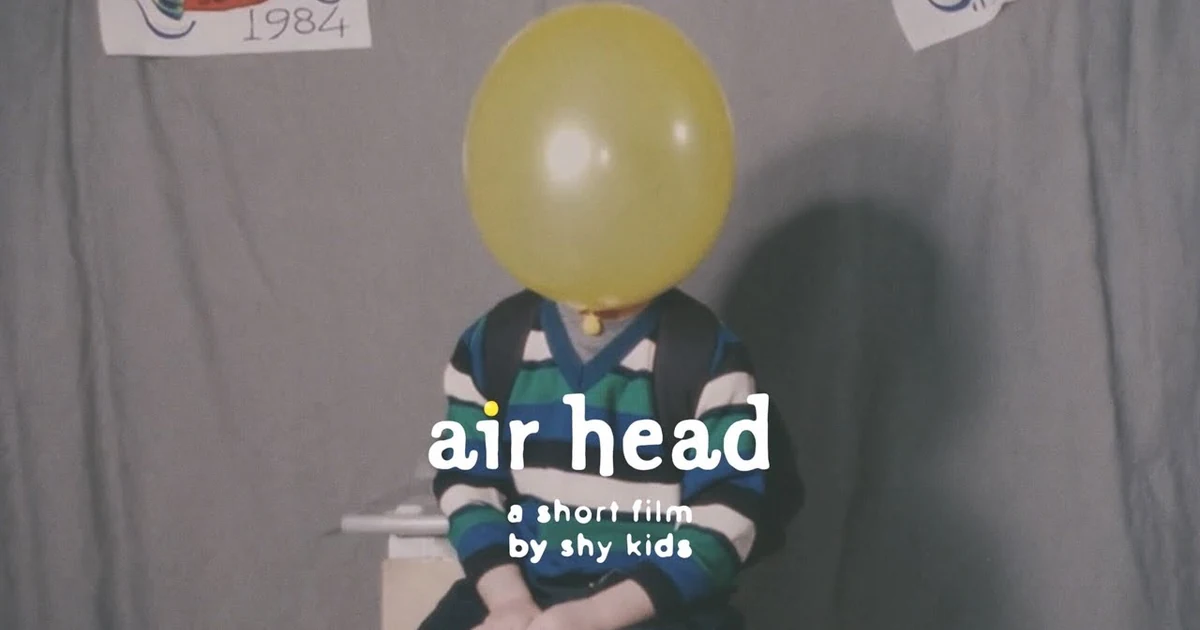
- air head by shy kids was made with OpenAI's text-to-video model Sora. A man with a yellow balloon for a head talks through the ups and downs of his life.
- Thank You For Not Answering by Paul Trillo was, in the director's own words, made from only image and text prompts using Runway's Gen-2.
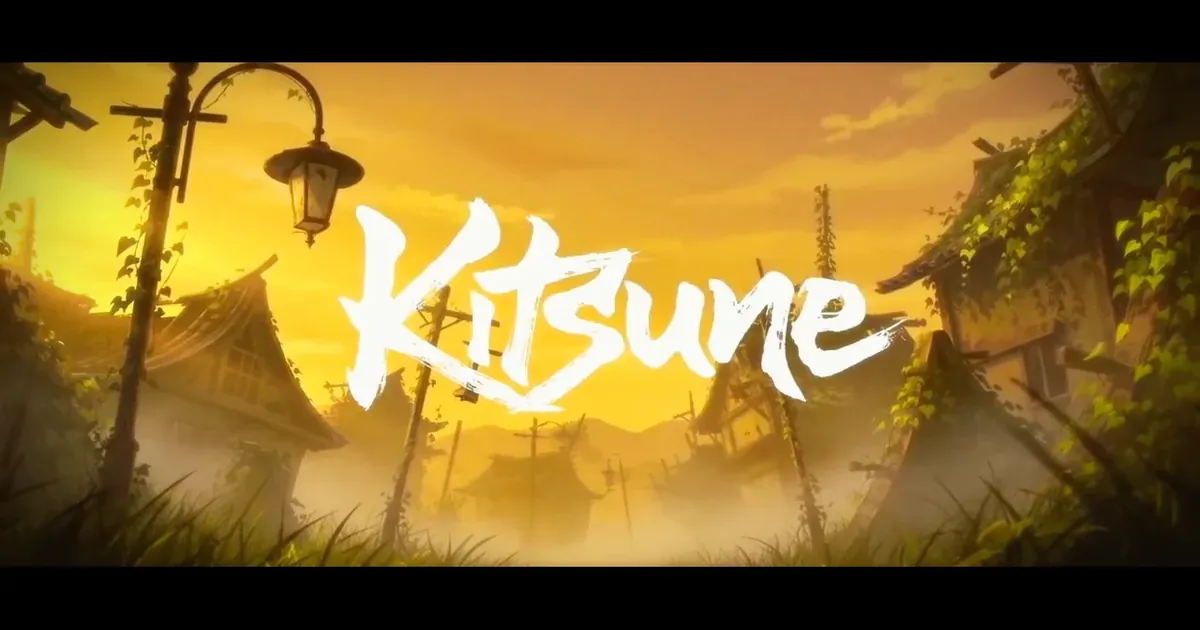
- KITSUNE by Henry Daubrez: the creator writes that all shots were generated with Google's text-to-video model Veo 2.
- Total Pixel Space by Jacob Adler is an essay film built from AI-generated imagery. It won the Grand Prix at Runway's AI Film Festival in 2025.
-
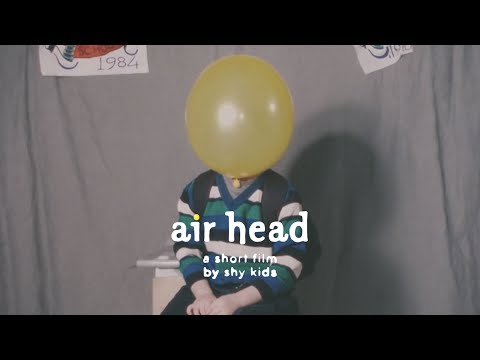
air head
shy kids · 2024
Comedy
Short film, 1 min 22 sec, English.
-
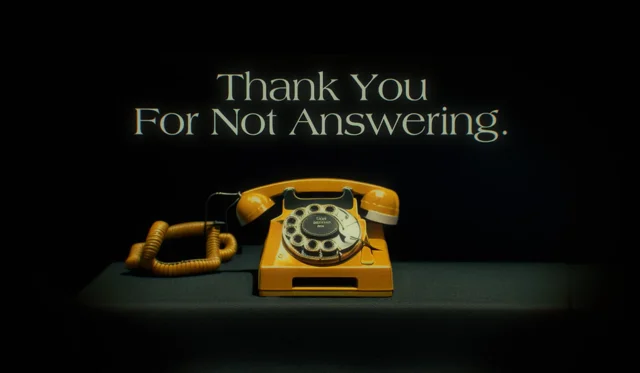
Thank You For Not Answering
Paul Trillo · 2023
Drama
Short film, 2 min 25 sec, English.
-
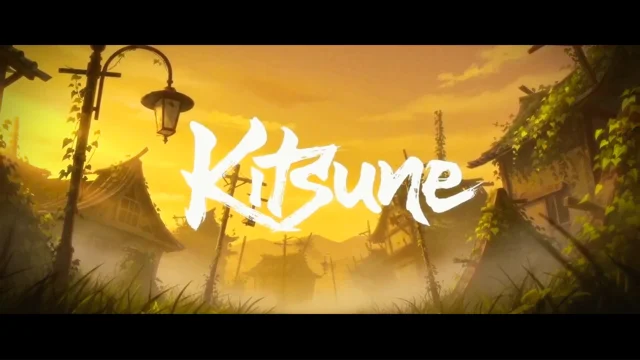
KITSUNE
Henry Daubrez · 2025
Fantasy · Romance
Short film, 5 min 3 sec.
-
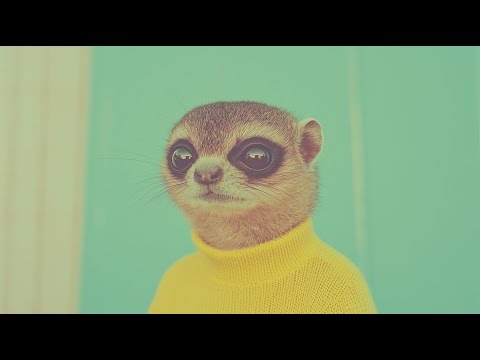
Total Pixel Space
Jacob Adler · 2025
Documentary
Short film, 9 min 28 sec, English.
Generated does not mean effortless. Henry Daubrez writes that the finished five minutes of KITSUNE came out of more than 1,700 curated sequences, chosen from an estimated 5,000 to 7,000 generations.
AI-assisted: AI is one tool among others
Here the film was shot, drawn or animated in a familiar way, and AI did one part of the job.
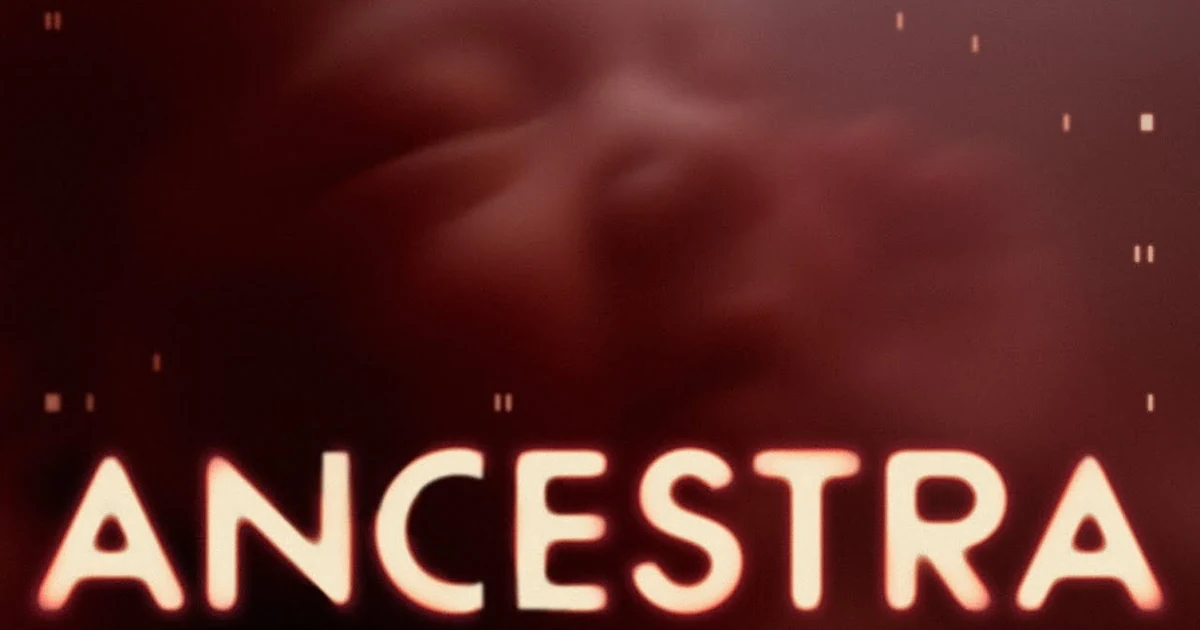
- ANCESTRA by Eliza McNitt combines live-action scenes with imagery generated with Google DeepMind's Veo, according to Google's behind-the-scenes account.
- Sunspring from 2016 is a live-action short. A human cast performs a screenplay that was written by a neural network trained on science-fiction scripts.
- 犬と少年 (The Dog & The Boy) has hand-animated characters over background art made with AI image generation and retouched by hand. The background credit reads “AI (+Human)”.
- Linkin Park: Lost uses original anime artwork by its directors, with AI used to restyle archive footage of the band.
- Critterz had every character and background designed with DALL·E, then animated by a production team.
-
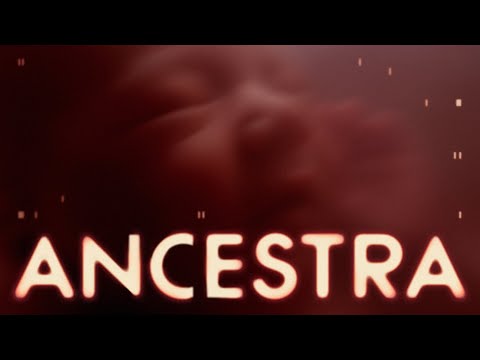
ANCESTRA
Eliza McNitt · Primordial Soup · 2025
Drama
Short film, 8 min 5 sec, English.
-
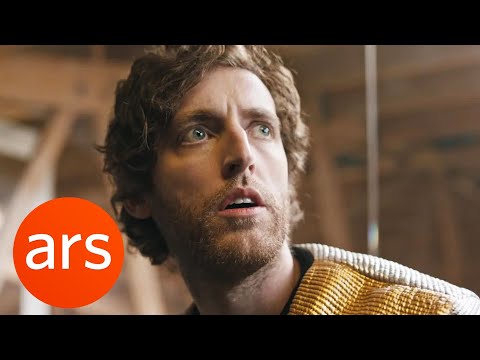
Sunspring
Oscar Sharp and Ross Goodwin · 2016
Sci-fi
Short film, 9 min 3 sec, English.
-
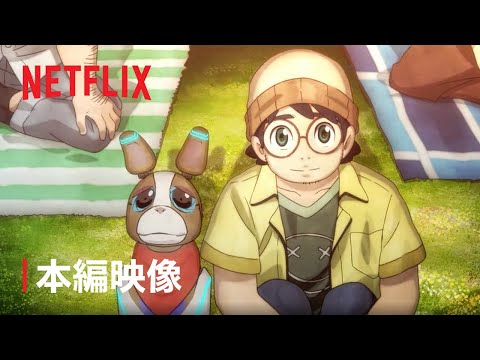
犬と少年 (The Dog & The Boy)
Ryotaro Makihara · Netflix Anime Creators' Base, WIT Studio, rinna · 2023
Drama · Sci-fi
Short film, 3 min 35 sec.
-
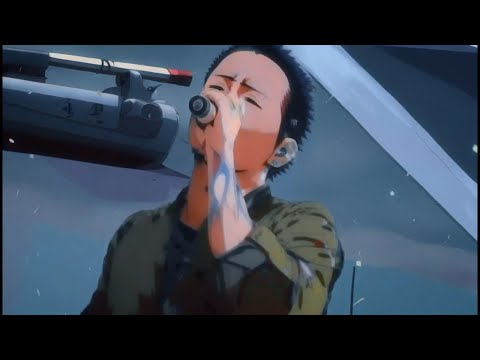
Linkin Park: Lost (Official Music Video)
Linkin Park · directed by Maciej Kuciara and pplpleasr · 2023
Music video, 3 min 19 sec, English.
-
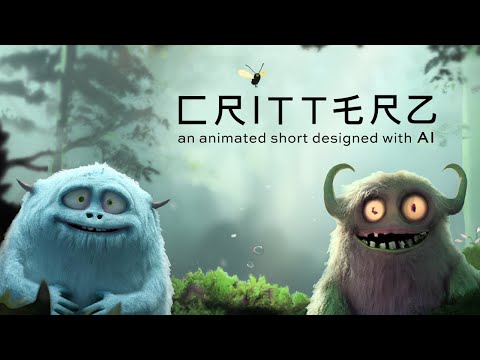
Critterz
Chad Nelson · Native Foreign · 2023
Comedy
Short film, 5 min, English.
When a film sits between the two
Some films don't fall neatly on one side. Where the Robots Grow is billed by its studio as the first original AI feature film: the animation is AI-driven, while the writing, direction and voice performances are human. We list it as AI-generated because the label follows the picture, and the note on its page says what the studio says.
When a film sits in between, we go by where the images came from and spell out the rest in the “AI involvement” note on its page.
How we decide which label a film gets
We go by what the makers say in the film's title, description or credits, or by a named report. Each listing shows that note, and a link to the source where there is one. When nobody has said how a film was made, we don't guess.
If you think a label is wrong, use “Report this listing” on the film's page. The fuller policy is on the About page.